Pet Paw SVG Dog Cat Print Review
A First Look at Pet Paw SVG Dog Cat Print
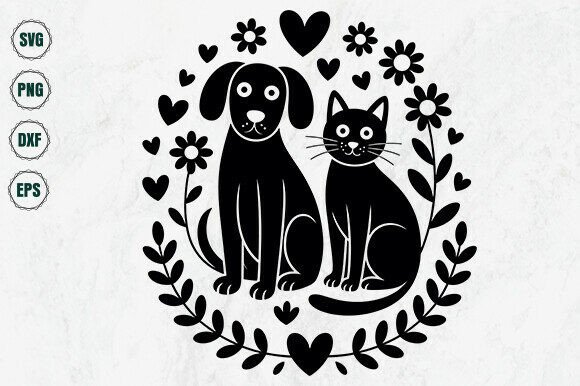
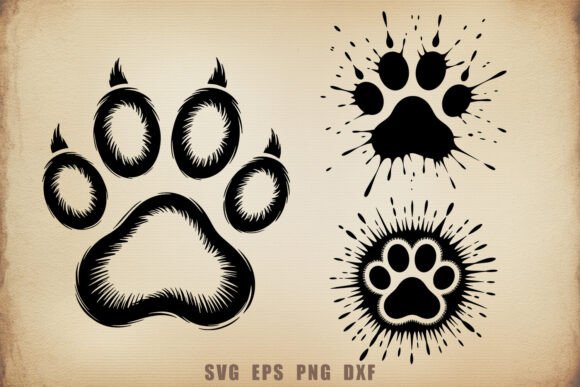
When I first opened the Pet Paw SVG Dog Cat Print ZIP file, I was immediately drawn to its clean and playful aesthetic. The design feels both whimsical and professional, making it a versatile choice for a wide range of embroidery projects. The paw print motif is simple yet expressive, with enough detail to stand out without overwhelming the fabric.
The use of transparent PNG files with 300 DPI resolution gives me confidence that the design will translate well to both digital mockups and physical embroidery. The SVG format is also a plus, as it allows for easy scaling and customization in vector-based software like Adobe Illustrator or Cricut Design Space.
Real-World Embroidery Performance
I tested the Pet Paw SVG Dog Cat Print on a custom embroidered tote bag for a small craft business client. The design stitched cleanly on medium-weight cotton fabric using a standard stabilizer. The lines were crisp, and the overall look had a soft, handcrafted feel that matched the brand's identity perfectly.
This design would work beautifully on custom apparel such as sweatshirts, t-shirts, and baby clothes. It’s also ideal for embroidered patches, cap designs, and even nursery decor. For holiday gifts or personalized products, the paw print adds a charming touch that appeals to pet lovers of all ages.
One thing to consider is how the design interacts with different fabrics. On darker or textured materials, the contrast might be less pronounced, so testing with various thread colors could help maintain visual clarity. For commercial embroidery projects, especially those involving frequent washing, using a high-quality stabilizer becomes essential to preserve the integrity of the stitch.
Where to Use with Caution
While the Pet Paw SVG Dog Cat Print is quite adaptable, there are a few scenarios where careful planning is needed. For instance, when working with small hoop sizes or curved surfaces like caps, the design may need to be resized or adjusted to avoid distortion. Similarly, if you're embroidering on thin or stretchy fabrics, adding extra layers of stabilizer can prevent puckering and ensure the final product looks professional.
Dense stitch areas around the edges of the paw print should be reviewed to avoid overloading the fabric. Testing the design on scrap fabric before committing to a full project is always a good idea—especially when considering stitch density and thread color contrast.
Design Impact and Practical Notes
The Pet Paw SVG Dog Cat Print contributes positively to the visual appeal of any handmade product. Its clean lines and minimalistic style make it suitable for brand consistency across multiple items, from small shop products to Etsy listings. Whether used as an applique design or part of a larger embroidery project, it adds a subtle but meaningful detail that customers are likely to appreciate.
For craft businesses or digital product sellers, this design offers great value. It’s perfect for creating printable mockups or design assets that can be sold or used in personal projects. Just remember to confirm licensing terms before selling finished items or digital versions of the design.
If you're looking to test the design further, try creating a black and white mockup to see how it performs under different lighting conditions. Also, comparing it against both light and dark fabric backgrounds can help determine the best thread colors for your intended application.
Final Thoughts on Pet Paw SVG Dog Cat Print
The Pet Paw SVG Dog Cat Print is a solid addition to any designer’s collection. It brings a friendly, approachable vibe to embroidered patches, sweatshirt embroidery, and handmade products. With its versatility and clean aesthetic, it’s well-suited for both personal projects and commercial embroidery work.
Whether you're an apparel decorator, craft fair vendor, or creative entrepreneur, this design can elevate your offerings while maintaining a professional and appealing finish. Just remember to follow practical steps like testing on scrap fabric, checking hoop size, and using the right stabilizer to ensure the best results.